


Roughly a week and a half ago, we returned from a 10-day trip to Uzbekistan, so I’ve had a little bit of time to reflect on the trip. Overall, the trip was amazing, we did so many things (you can read about them in the many blog posts about our trip), but most of all, we took about a million pictures. And, of course, we must tell everyone we know about the amazing trip that we went on by posting about it on social media. Personally, I have not yet posted about our Uzbekistan trip on social media. However, I did take a lot of pictures that reflect the kinds of photos I might post.
During the trip, we read an article entitled “Destination image in Uzbekistan – heritage of the Silk Road and nature experience as the core of an evolving Post Soviet identity,” and after reading it, we were asked to reflect upon our own effect on the destination image of Uzbekistan through the photos we take and post on social media. The study talks about how UGC (user generated content) online can affect the destination image of a place, and in this online era, UGC can be the primary way that aspiring tourists get information about their destination.
The article analyzed types of photos posted on Instagram about Uzbekistan by tourists and comparing it to the photos on the official Uzbekistan tourism website. Full disclosure, this is a different website address from the article because that link did not work, and additionally, the data from the study is all from 2018. The study found that overall, tourists seemed to post more photos from the Nature/People category than the website, a difference of 30% of photos to 4% (Fayzullaev, Cassel, and Brandt 2021, 453). However both tourists and the website placed a major emphasis on Heritage/Sightseeing. 71% of tourist photos were in this category and 95% of the website photos (Fayzullaev, Cassel, and Brandt 2021, 453). The remaining category, Entertainment/Recreational, has a similar percentage with 10% and 11% (Fayzullaev, Cassel, and Brandt 2021, 453).
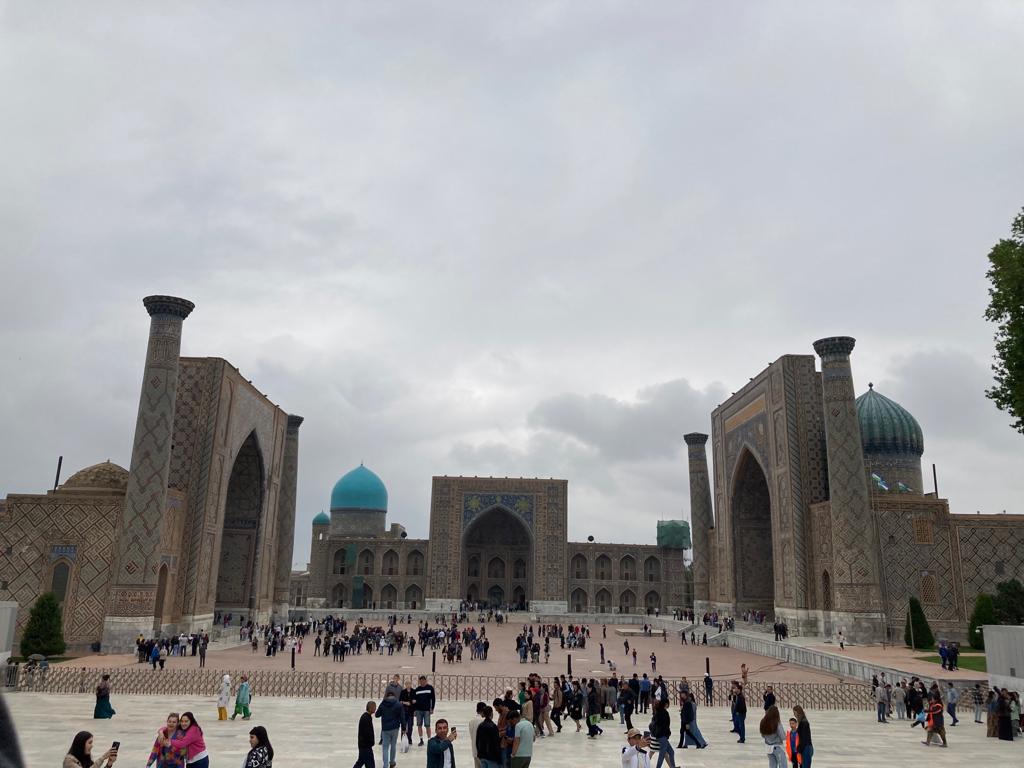
Among my own photos, I would wager to guess that my percentages are similar to the average Instagram poster. However, when I was scrolling through them creating my hypothetical Instagram post, I think I would post more like 50-50 of nature/people pictures versus heritage/sightseeing, reason being that there are so many great photos of these famous buildings out there already. If someone wants to see a pictures of Registon Square in Samarkand, they can find beautiful pictures of it online, for instance on the Uzbekistan tourism website.

I would rather showcase the amazing people I went on this trip with and the gorgeous nature we saw. I have some wonderful photos from our first few sunny days where we spent many of them looking at old fortresses in the desert and driving all the way out to the (former) Aral Sea. I personally find those pictures more interesting than the heritage buildings, which are also lovely, but they start to look the same after a while.
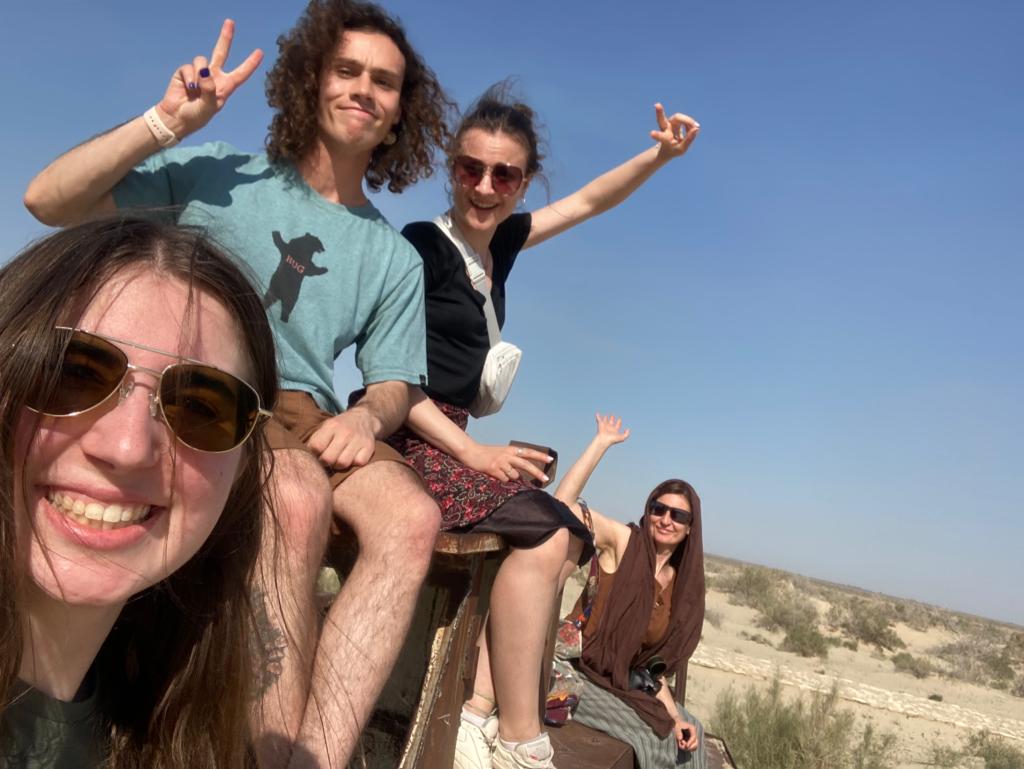
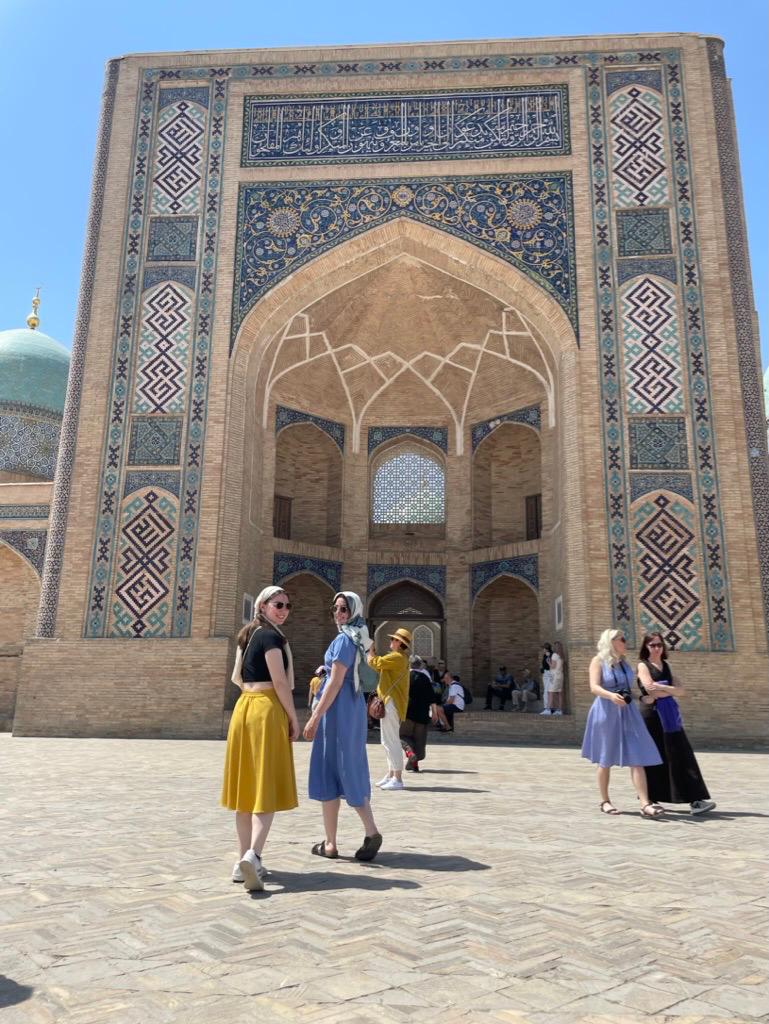
My own motivations for posting are different from the Uzbekistan tourism company, and thus create a slightly different destination image than theirs, which is the case for most UGC. I post to share my experiences in Uzbekistan and my trip as a whole with my friends online, rather than posting pictures of the famous heritage sites to check off the boxes of all the places we went. Part of that might have to do with the fact that Uzbekistan is a lesser well-known tourist destination, so many people may not know which are the “must-see” sites. As Uzbekistan continues to grow its tourism industry that might change, but right now, as a tourist, I was more enthralled by the nature, and less influenced by the current destination image that the website is trying to promote. Unfortunately, Uzbekistan is simply too unknown, so I did not enter Uzbekistan with a set destination image in mind.
References
Fayzullaev, Kamoliddin, Susanna Heldt Cassel, and Daniel Brandt. 2021. “Destination image in Uzbekistan – heritage of the Silk Road and nature experience as the core of an evolving Post Soviet identity.” The Service Industries Journal 41, no. 7-8: 446-461. https://doi.org/10.1080/02642069.2018.1519551
